
Loading
Search
We hope you found what you are searching for. If not, contact us and let us know what your want. We will do the work for you and get back to you when we're done.
bearss lime - Glossary Search
Top 11 glossary terms found
Displaying 1-11
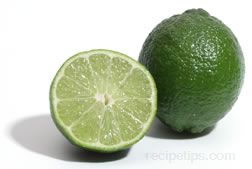
A small green citrus fruit providing juice or peels that are added to food dishes to provide a tart taste as an ingredient.
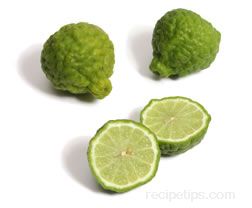
A variety of lime that is small, round and pointed at the end with a gnarled outer skin that emits a sharp lemon-like aroma.
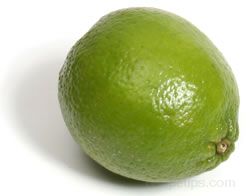
There are two types of Tahitian limes, Persian and Bearss, which are very similar to each other. The Tahitian Persian lime is slightly larger than Tahitian Bearss lime.
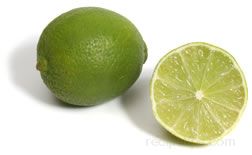
A Tahitian lime that is slightly smaller but very similar to the Tahitian Persian lime. It is greenish yellow when ripe but is harvested to be sold when it is still green because the acidity level is higher, which provides a better flavor.
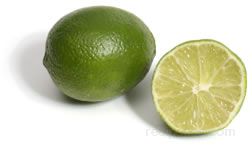
An oval shaped Tahitian lime that is slightly larger than Tahitian Bearss lime. It is greenish yellow when ripe but is harvested to be sold when it is still green because the acidity level is higher, which provides a better flavor.
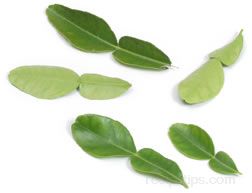
A small to large oblong leaf, pale green to dark green in color (larger leaves are darker green), that are grown on fruit trees producing limes.

Most often, this condiment is a traditional relish used to flavor food dishes in India where pickles so frequently are served during meals.
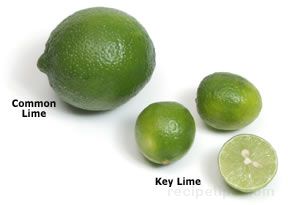
A smaller and rounder lime than the more common Persian lime. It is yellowish green in color, has a tart flavor, and is known mostly for its use in key lime pie.
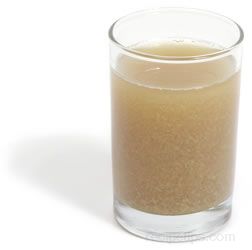
The juice from a fresh lime, which is the best form of lime flavor. Bottled lime juice can be substituted if fresh limes are not available.

This sweet lime has a yellow rind that contains aromatic oil. It has a light yellow flesh, which lacks acidity and contains very few seeds.
A fruit, with a tough, greenish brown skin, resembling the lychee. It has a milky colored flesh that is eaten by peeling away the skin and eating the pulp from the seed.
Top 11 glossary terms found
Displaying 1-11


Advertisement
Advertisement