
RecipeTips.Com Home cooking tips & advice | Knowledge | Beef Nutritional Facts
Join Now | Sign In | RSS Feeds RSS Feeds
Beef Nutritional Facts: Easy How-To Cooking Tips & Advice: RecipeTips.com
Recipes Cooking Tips & Advice Glossary Community Videos
hints
e-Newsletter
RecipeTips.com Newsletter Sign Up

Beef Nutritional Facts

print Print Beef Nutritional Facts article  |  email Email Beef Nutritional Facts article  |  rate this article Rate this article  | Bookmarks
Meat > Beef > Beef Nutritional Facts

Comparison of Various Cuts of Beef with Chicken | Miscellaneous Nutritional Tips


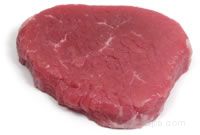
The USDA recommends 2 or 3 servings of meat, fish, or poultry per day. One serving of cooked beef is equal to 3 ounces and is about the size of a deck of cards. Beef is high in protein and contains thiamin, niacin, zinc, vitamin B-12, and iron. About 2.5 milligrams of iron is contained within one 3 ounce serving of beef. This is approximately 14 % of the recommended daily allowance. The type of iron in beef is known as heme iron, which the body is able to absorb more easily than the variety of iron found in plants.

Concerns over saturated fat and cholesterol have caused many people to reduce or eliminate their consumption of beef and other meats, but beef can be part of a healthy, low fat, low cholesterol diet. When lean cuts are selected and low fat cooking methods are used, beef can be a very healthy part of the diet. The leanest cuts of beef have the words "loin" or "round" contained within the description such as tenderloin, eye of round, or top round. Low fat cooking methods include broiling, baking, roasting, grilling, steaming, stewing, and braising.

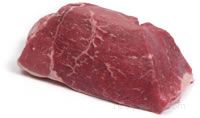
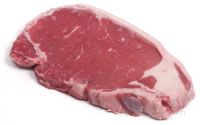
About half the fat in beef is monounsaturated which is the same healthy type of fat found in olive oil. The monounsaturated fatty acids found in beef can help decrease the LDL (bad) cholesterol in the blood and help to increase the HDL (good) cholesterol. The leanest cuts of beef have an average of 70 to 80 mg. of cholesterol. Some cuts have even less than this. The top loin, for example, has 65 mg. of cholesterol and the eye round has only 60 mg. This compares very well to a skinless chicken breast which has 70 mg. of cholesterol per 3 ounce serving. It is recommended that no more than 300 mg. of cholesterol per day should be consumed, so 2 or 3 servings of lean beef per day allows plenty of room before reaching the maximum recommended level.

As with any type of meat, trimming excess fat from beef is essential in reducing saturated fat and cholesterol from the diet. However, doing this before the meat is cooked can make the meat tougher and less flavorful, especially if it is broiled, roasted, or grilled. Trimming the remaining fat after cooking will eliminate some of the saturated fat and cholesterol, but some of it will have melted into the meat during the cooking process, acting as a natural tenderizer. In some cases, you may have to decide if the elimination of as much of the fat as possible before cooking is more important than enjoying the optimum flavor and tenderness that results from the inclusion of the fat. The bottom line is that moderation is the key when enjoying any type of food and that it is important to include all of the essential food groups in a well balanced diet.

Comparison of Various Cuts of Beef with Chicken

All values in the table below are based on a comparison between a 3
ounce portion of skinless chicken breast and a 3 ounce portion of beef (about
the size of a deck of cards) that has been cooked with the excess fat removed.

Chicken
Breast

Various
120
1.5
0.5
70
24
Cut of Beef Cooking
Method
Calories
Total
Fat
(grams)
Saturated
Fat
(grams)
Cholesterol

(milligrams)
Protein

(grams)
Eye
Round
Roasted 140 4.2 1.5 60 25
Top
Round
Broiled 150 4.2 1.4 70 27
Round
Tip
Roasted 160 5.9 2.1 70 24
Top
Sirloin
Broiled 170 6.1 2.4 75 26
Bottom
Round
Braised 180 6.3 2.1 80 27
Top
Loin
Broiled 180 8.0 3.1 65 24
Beef
Tenderloin
Broiled 180 8.5 3.2 70 24
Rib
Steak
Broiled 190 10.0 4.0 70 24
Chuck
Blade Roast
Braised 210 11.0 4.0 90 26
Ground Beef
90% Lean
Various 210 11.0 4.0 85 27


Miscellaneous Nutritional Tips

  • Careful inspection of beef in the United States makes it safe to eat. Because of strict codes, there is little concern that beef provided to the consumer will be infected with animal diseases which may be harmful to humans.

  • When shopping for beef, look for "loin" and "round" in the names of the cuts because these tend to be the leanest.

  • Marbling refers to the bits of fat that are scattered throughout a cut of beef. The marbling helps to make the meat tender and flavorful, but it will not significantly increase the level of fat that is consumed, especially if the beef is cooked using low fat cooking methods and if the outer layers of fat are removed before cooking. (It is important to note that removing the outer layers of fat may make the meat a bit tougher after it is cooked).

  • Remove the excess fat to make the cut of beef as lean as possible. Although this may be desirable for people who want less fat in their diet, this will also make the beef a bit tougher after it is cooked. The fat can be removed after cooking, but some of it will melt and be absorbed into the meat during cooking.

  • Low fat cooking methods including broiling, grilling, steaming, stewing, braising, baking, and roasting, should be used for preparing beef.

  • When cooking beef in the oven, it is beneficial to place a rack in the pan or baking dish and place the beef on the rack so that fat can drain away from the beef as it cooks.

  • Fat can be skimmed from the surface of beef soups, stews, and sauces before serving. Soups and stews can also be chilled to make the removal of fat easier because the fat will rise to the surface and congeal, allowing it to be removed in solid pieces.

  • Place cooked hamburger patties on paper towels and pat them with more paper towels to absorb as much of the excess grease as possible before serving.
More Beef >>

Beef Nutritional Facts article - Related Content

Collections
Chicken Recipes

Chicken Recipes

View our collection of free chicken recipes including oven baked chicken and chicken breast recipes.
Ground Beef Recipes

Ground Beef Recipes

Our collection of ground beef recipes will give you ideas for a great weeknight meal.
Cooking Tips & Advice
Fish Nutritional Facts

Fish Nutritional Facts

Most fish are low in fat and cholesterol and a good source of protein, which makes them a good choice for a healthy diet. Our bodies require a certain amount of protein ...
Bread Nutritional Facts

Bread Nutritional Facts

Nutritional Profile of Bread | Significance of Enriched White Bread | Gluten Nutritional Profile of Bread The nutritional profiles for the breads listed below represent ...
Flour Nutritional Facts

Flour Nutritional Facts

Nutritional Advantages | All About Gluten   Nutritional Advantages of Various Types of Flour Most types of flour are composed mainly of carbohydrates, but the ...
Grain Nutritional Facts

Grain Nutritional Facts

  Grains are composed mainly of carbohydrates, but the quantity varies according to the type of grain. Carbohydrates account for 65 to 90 percent of the calorie ...
Turkey Nutritional Facts

Turkey Nutritional Facts

The USDA recommends 2 or 3 servings of meat, fish, or poultry per day. A serving of any type of cooked meat is equal to 3 ounces and is about the size of a deck of cards. ...
Recipes view more
Beef Tacos with Onion Jam and Horseradish Cream

Beef Tacos with Onion Jam and Horseradish Cream

A British variation on a Mexican favorite—the traditional beef and horseradish of England becomes part of a Mexican taco filled with a tasty onion jam that makes the flavor of this beef taco recipe so distinctive.
Beef Jerky

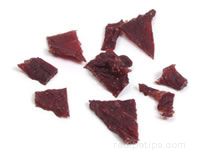
Beef Jerky

Great tasty snack for anytime!
Beef and Biscuit Bake

Beef and Biscuit Bake

A clever way to use simple ingredients to create an easy to prepare, rib-sticking main dish.
Beef Crostini with Red Pepper Mayonnaise

Beef Crostini with Red Pepper Mayonnaise

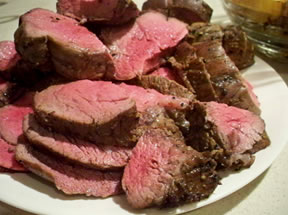
The flavor of the roasted red pepper and basil pairs well with the beef tenderloin in this wonderful Italian style hors d’ oeuvre.
Beef & Mushroom Stroganoff

Beef & Mushroom Stroganoff

Easy comfort meal for any night of the week.
Glossary Terms
Beef Loaf

Beef Loaf

A sandwich meat that is made with cooked beef shavings encased in gelatin and formed into a rectangular-shaped loaf approximately 12 inches in length that is typically 4 inches ...
Beef Noodle Soup

Beef Noodle Soup

A hearty noodle soup made from a combination of egg noodles, small chunks of beef, beef stock, and seasonings. Beef Noodle Soup provides a beefy flavor enhanced with the addition ...
Beef Barley Soup

Beef Barley Soup

Hearty and quite filling, this savory soup can be be served as a main meal for lunch due to the quantity of ingredients typically added to the soup. Most often Beef Barley Soup ...
Beef Chuck

Beef Chuck

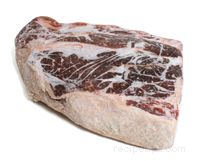
The area of a steer that extends from the neck to the fifth rib of the chest cavity. Included in the Beef Chuck is the meat extending from the shoulder to the arm most often ...
Beef Stew

Beef Stew

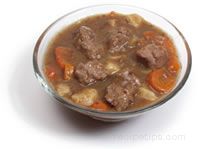
A food dish that combines beef with a variety of other ingredients, such as potatoes, vegetables, herbs, spices, and broth to create a savory dish, rich in flavor and often served ...
USDA Nutrition Facts

Beef bologna reduced sodium

Beef brisket flat half separable lean and fat trimmed to 18 fat choice cooked braised

Beef brisket flat half separable lean and fat trimmed to 18 fat select raw

Beef brisket flat half separable lean and fat trimmed to 18 fat choice raw

Beef flank separable lean only trimmed to 0 fat select raw

Quick Tags
  Beef   Meat
Clip and save Coupons available
Advertise With Us ADVERTISEMENT
Daily Feature
Cheesy Mashed Potatoes with Bacon Bits Recipe
view past daily features
Party Planner
RecipeTips.Com Home cooking tips & advice | Knowledge | Beef Nutritional Facts
Join Now | Sign In | RSS Feeds RSS Feeds
Reproduction in whole or in part without written permission is strictly prohibited.
© Copyright 2008 Tecstra Systems, All Rights Reserved, RecipeTips.Com