


Common titles applied to the preparation responsibilities or the roles of the Chef are often assigned to identify which area or task they most often undertake. Typically referenced by using either an English or a French term, the traditional Chef positions, some of which may also be referred to as "Line Cooks", include the following:
- Sauté Chef (Saucier) - a person preparing sautéed foods and the sauces that accompany the foods.
- Fry Chef (Frituier) - a person involved with preparation of fried foods and may also be considered as the Roast Chef or Grill Chef as well.
- Grill Chef (Grillardin) - a person preparing grilled foods, but this title may also be applied to the Chef involved with fried and roasted foods.
- Roast Chef (Rôtisseur) - typically the person roasting meats, vegetables, and preparing sauces such as au jus sauces that accompany the meats. The titles of Fry Chef and Grill Chef may also be considered a part of the Roast Chef's duties.
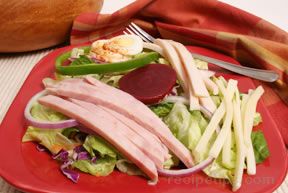
- Cold-Foods Chef (Garde Manager, Chef de Garde, or Pantry Chef)- a person involved with the preparation of any cold item being served such as garnishes, salads, cold sauces, cold meats, and possibly cold beverages that are not ordered from the bar. At times, this position may include the duties of the Vegetable Chef when cold vegetables are to be prepared.
- Fish Chef (Poissonier) - the person preparing all of the fish, shellfish, and seafood items, including the sauces and caviar. This person may also be in charge of purchasing the fish related foods, cleaning the fish, and selecting the cuts to be served. At times, this position may also include duties of the Sauté Chef.
- Vegetable Chef (Entremetier) - the person responsible for the vegetable dishes which may include potato dishes, soups, pasta, and also hot appetizers.
- Pastry Chef (Pâtissier) - the person preparing sweets, pastries, baked goods, sweet sauces, and desserts. For operations that divide the duties of the kitchen and if they are of a size that requires a significant amount of baked goods to be prepared, such as is necessary for some hotels, resorts or cruise ships, the position of a Pastry Chef may include more than one role. As an example, there may be a Confiseur who is the person preparing the small chocolates such as truffles or petits fours. Another position may involve a Boulanger who is in charge of making the breads, rolls, and some pastries from the various types of dough, typically the unsweetened dough but may include both unsweetened and sweetened. The Pastry Chef may also be involved with some of the delicate menu items such as soufflés.
- Glacier or Décorateur - the Glacier and the Décorateur may have interchangeable roles, preparing the desserts that are cold or frozen and working on decorating the cakes for weddings and other celebrations. Depending on the size of the organization.
In addition to the typical references, other titles for a Chef may include: Chef de Cuisine, Executive Chef, Sous-Chef, Expediter or Announcer, Station Chef, or Chef and Butcher. The Chef de Cuisine is more of a status symbol as this Chef is considered to be the main person referenced as an icon for a particular brand, a television show or a notable food position. The Executive Chef refers to the head chef that is often in charge of all foods for restaurants, cafeterias, corporations, or for developing menus. Often, an Executive Chef may be a second position behind the Chef de Cuisine if the organization is large enough to have both. The Sous Chef is involved with all preparation procedures from ordering the foods and materials to handling daily menu chores. The Expediter is the person working with foods ordered by customers. This person who is also known as an Announcer, moves food order from the waiter to the Chef or the various Station Chefs. Station Chefs are responsible for foods prepared at specific kitchen locations if the organization designates areas according to foods. Items such as soups, meats, pasta dishes, egg dishes, and other foods may be assigned to a Station Chef for preparation procedures. To assist the Station Chef, a Commis is assigned to participate in the preparation as a learning experience since this person is considered to be an Apprentice. The title of Chef and Butcher is seldom used, but the responsibilities may be very common as the Chef undertakes the role of a butcher in some organizations. It is the Butcher that becomes involved with preparing the cuts of meat, the fish fillets, and the poultry cuts as well as some of the preparation duties required of a Chef such as breading, basting, applying rubs, or marinating foods.
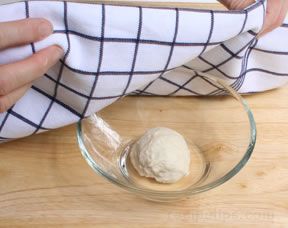
2. A term that refers to the small piece of dough that is formed at the beginning stage of preparing a sourdough starter. The dough, which is usually no larger than a golf ball, is allowed to ferment for up to two days. At the end of the fermentation period, a hard, thick crust develops over the bubble-filled chef, which is removed before proceeding to the next stage in developing the sourdough starter.