



After the fermentation of the wine, by-products are provided from the acid in the form of soluble salts that are used in food processing. Cream of tartar, also known as potassium hydrogben tartrate, is one of the by-products of tartaric acid. Similarly, rochelle salt, known as potassium sodium tartrate, is another.

Loading
Tartaric Acid
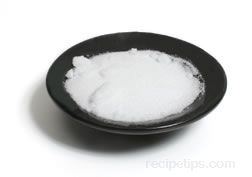
Found in a variety of plants, this compound is a distinctive and prevalent acid commonly used in the production of food and industrial products. Produced in the form of a crystalline solid, this colorless acid is a key element affecting the quality of the wine. A high level of acid produces a harsh tasting wine while a low level of acid provides a flat taasting wine. A good balance of tartaric acid (as well as malic acid) in wine provides the crisp taste to a wine. It also allows the wine to effectively age and it acts as an exceptional preservative. In white wine, the acid (tartrates) appear as harmless white or colorless crystals, similar to salt crystals. For red wine, the tartrates are dyed a deep red, blending in with the color of the wine. At times, these crystals can be seen in the bottom of some wine bottles.
There currently aren't any reviews or comments for this term. Be the first!





Popular Recipe Pages
Popular Recipes
Advertisement

Advertisement