
Loading
Rye Flour
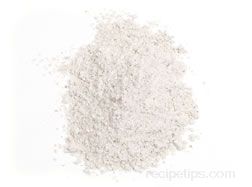



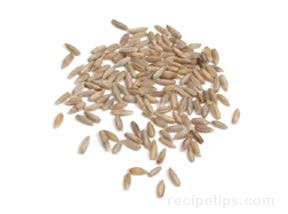
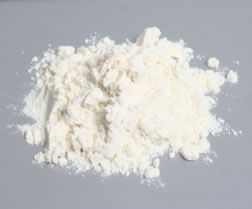
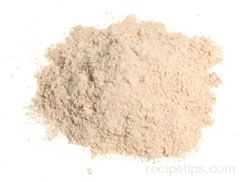
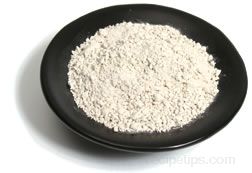
Grains of rye grass that have been ground into fine flour that has a slightly sweet-sour flavor. Low in gluten, it does not contain enough protein to develop the gluten necessary for the bread to rise sufficiently without combining it with wheat flour. The wheat flour contains the protein necessary for gluten development, allowing the bread to rise. Rye flour produces a denser and darker loaf of bread. The darkness and flavor of the loaf will depend on the darkness of the rye flour and the amount of rye flour used. Just a small amount of rye flour combined with wheat flour will add a distinctive flavor to the loaf.
| |||||||||||||||||||||||||||||||||||||||||||||||||||||||||||||||
USDA Nutrition Facts | |||||||||||||||||||||||||||||||||||||||||||||||||||||||||||||||
| |||||||||||||||||||||||||||||||||||||||||||||||||||||||||||||||
|
|||||||||||||||||||||||||||||||||||||||||||||||||||||||||||||||
|
There currently aren't any reviews or comments for this term. Be the first!






Popular Recipe Pages
Popular Recipes
Advertisement

Advertisement